
Pain management and patient comfort in gastric sleeve surgery
It is natural to worry about pain and recovery before gastric sleeve surgery. Understanding the stages of preparation, how pain will be managed and how your return to daily life will be planned can help you approach the process better informed.
“Painless gastric sleeve” does not mean there will be no pain after surgery. The aim is to reduce discomfort and support recovery through appropriate anaesthesia, pain management and care.
Will I feel pain during gastric sleeve surgery?
Gastric sleeve surgery is performed under general anaesthesia. You are asleep and do not feel pain during the procedure. Afterwards, you may experience tenderness around the incisions, abdominal tightness or shoulder pain from the gas used during laparoscopy.
The severity and duration of these symptoms vary. Telling your healthcare team about pain allows treatment to be adjusted to your needs.
How is pain management planned?
Several pain management methods may be combined to improve comfort after surgery. This approach, called “multimodal pain management”, considers medications appropriate for the patient's health and regional anaesthesia techniques when needed.
The aim is to reduce pain while limiting medication side effects. Preventing nausea and vomiting is also part of the care plan. The surgeon and anaesthesiologist determine the methods individually.
What is a paragastric block?
A paragastric block is a regional pain management technique intended to temporarily reduce nerve conduction around the stomach. It may be considered as part of pain management for gastric sleeve surgery.
Clinical studies have reported that this technique can reduce pain, nausea and vomiting in the early hours after surgery. However, its effects vary between patients; it does not guarantee a completely pain-free recovery or eliminate the need for additional painkillers. Its use depends on the patient's characteristics and the treatment team's assessment.
Can gastric sleeve surgery be performed without a drain?
Routine abdominal drain placement in every patient is not recommended in bariatric surgery. However, circumstances arising during the operation may require a drain.
Patient safety is the priority when deciding whether to use a drain or catheter. It is therefore inappropriate to promise “surgery without drains or catheters for every patient”. Ask your doctor about your individual plan during the preoperative consultation.
What can you expect during recovery?
After surgery, you are encouraged to stand with assistance and start taking short walks when your healthcare team considers it appropriate. Early mobilisation helps reduce the risk of blood clots and some respiratory complications.
Your diet progresses gradually according to your postoperative tolerance and your team's plan. Follow-up appointments and dietitian monitoring help you adapt to your new eating pattern. Discharge and return-to-work times differ between patients.
Frequently asked questions
Is “painless gastric sleeve” a different operation?
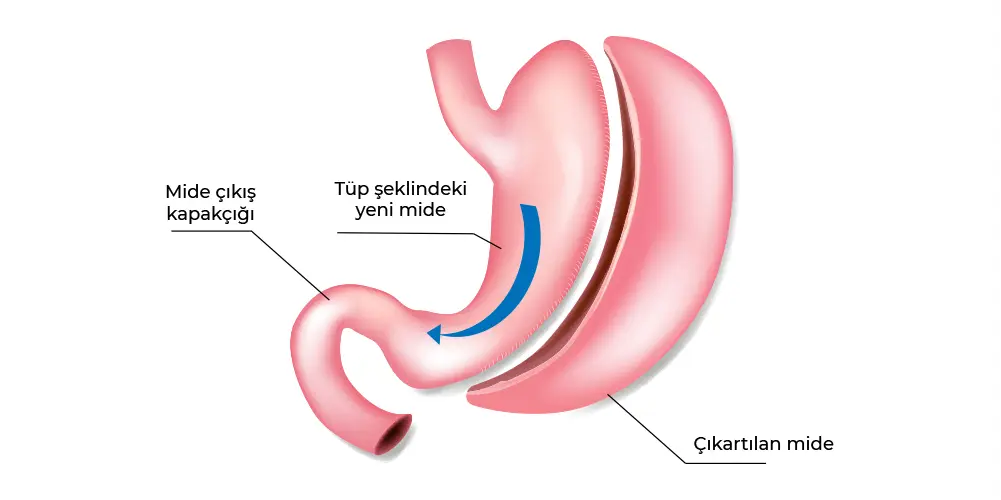
The term generally describes the pain management and recovery practices accompanying gastric sleeve surgery. The basic purpose of the operation remains the same: part of the stomach is removed to reduce its volume.
Will I need painkillers if I receive a pain block?
You may. Regional pain management can reduce medication requirements without necessarily eliminating them. Treatment is adjusted according to postoperative assessments.
Does less pain mean the operation has no risks?
No. Pain management improves patient comfort; it does not eliminate potential surgical risks. Bleeding, leakage, infection and blood clot risks must be assessed separately before surgery.
Discuss your treatment options with Assoc. Prof. Dr. Ali Tardu
If you are considering gastric sleeve surgery, share your medical history, medications and previous treatments at the first consultation. You can also ask about your suitability for surgery, anaesthesia, pain management and follow-up.
Contact us to consult Assoc. Prof. Dr. Ali Tardu and obtain appointment information.
Request an appointment and information
This page is intended for general information. Suitability for surgery and the treatment plan are determined after examination and the necessary tests. Procedures and outcomes may vary between individuals.