
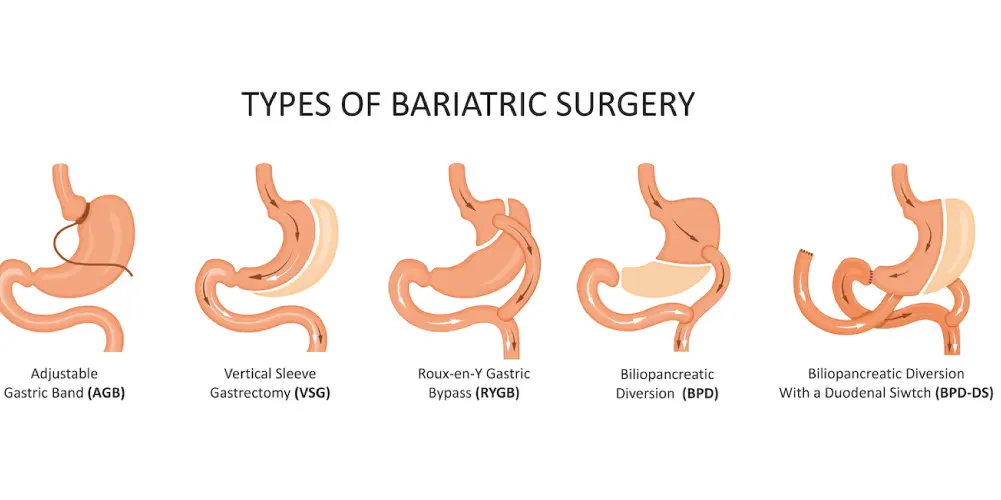
You may have previously undergone gastric sleeve, gastric bypass or another bariatric operation and now be experiencing weight regain or seeking help for postoperative symptoms.
The first aim of a revisional bariatric surgery assessment is to understand the cause of your problem and identify suitable treatment options. Not every patient needs another operation; medication, nutritional support and endoscopic procedures may also be considered.
What is revisional bariatric surgery?
Revisional bariatric surgery includes procedures to modify a previous bariatric operation, convert it to another procedure or surgically correct a problem related to the operation.
It may be considered for insufficient weight loss, weight regain or postoperative complications. There is no single standard revision operation; the approach depends on the previous procedure and the current problem.
When is revision surgery considered?
Reasons for a revision assessment may include:
- Not achieving the expected level of weight loss after the first operation.
- Significant weight regain after losing weight.
- Obesity-related health problems persisting or returning.
- Problems related to the previous operation that require treatment.
These circumstances do not automatically mean a decision to operate. Your symptoms, previous operation and overall health should be assessed together.
Why should weight regain after surgery be assessed?
Obesity is a chronic disease requiring long-term follow-up. Weight regain after surgery may call for a review of the treatment plan. Nutritional support, lifestyle adjustments, medication and additional procedures when needed may form part of long-term care.
The assessment consultation considers how your weight has changed over time, your current symptoms and previous follow-up information.
Revision surgery after gastric sleeve
When necessary after gastric sleeve surgery, modifying the existing procedure or converting it to another procedure such as gastric bypass may be considered. The appropriate method depends on the reason for revision and your individual health.
At your consultation, you can ask about the proposed procedure's aim, alternatives and long-term effects on nutrition.
Revision after gastric bypass
Further treatment may be needed after gastric bypass for insufficient weight loss, weight regain or medical complications. Suitability for surgical and endoscopic options is assessed according to the anatomy of the previous operation and the current problem.
Assessment before revision
Knowing the details of the previous operation is important when planning revision. If possible, bring the following documents to your appointment:
- The previous operation report and hospital discharge summary.
- Your weight before surgery, your lowest postoperative weight and your current weight.
- Recent blood test results.
- Endoscopy and imaging reports, if available.
- A list of your medications and supplements.
Any additional tests and specialist consultations needed are determined after the medical assessment.
What are the risks of revision surgery?
Revision operations may carry a higher risk of complications than the first bariatric operation. Expected benefits, surgical risks and alternative treatments should therefore be assessed individually.
Complications such as bleeding, infection, leakage and blood clots can occur. Some problems may require further intervention and, rarely, may be life-threatening. Nutritional deficiencies may also develop depending on the procedure.
Nutrition and follow-up after revision surgery
The dietary plan is tailored to the procedure and your recovery. Adequate protein and fluid intake, recommended vitamin and mineral supplements, and regular check-ups are important. Your treatment team should determine supplement types and doses.
Long-term weight and health monitoring should continue after revision.
Frequently asked questions about revisional bariatric surgery
Should everyone who regains weight have revision surgery?
No. Alongside surgery, nutritional support, medication and endoscopic procedures in suitable patients may be considered for weight regain. Treatment is planned individually.
Can gastric bypass be performed after gastric sleeve surgery?
Conversion from gastric sleeve to gastric bypass is possible in suitable patients. However, it is not appropriate for everyone; the decision requires an individual assessment.
Is revision performed only for weight loss?
No. Revision may also be needed to treat complications related to the previous operation.
Is revision surgery riskier than the first operation?
The risk of complications may be higher than for the first bariatric operation. The degree of risk depends on the planned procedure and your individual health.
How much weight can I lose after revision surgery?
Weight loss varies by person and procedure. A specific amount of weight loss cannot be guaranteed; realistic goals should be discussed during the assessment.
Can an endoscopic procedure be used instead of revision?
Endoscopic treatments may be an option for some patients. Suitability depends on the type of previous operation and the current problem.
I had my first operation at another centre. Which documents are needed for an assessment?
Your previous operation report, hospital discharge summary, weight tracking information and existing test results help with the assessment. You can ask before the appointment about any documents you do not have.
Is a decision to operate made at the first consultation?
The first consultation aims to understand your current situation and assess treatment options. When further tests or specialist opinions are needed, the decision process continues with their results.
If you have weight regain or persistent symptoms after a previous bariatric operation, get in touch to discuss your current situation and treatment options.
This page provides general information. Diagnosis and treatment decisions are based on an individual medical assessment.