
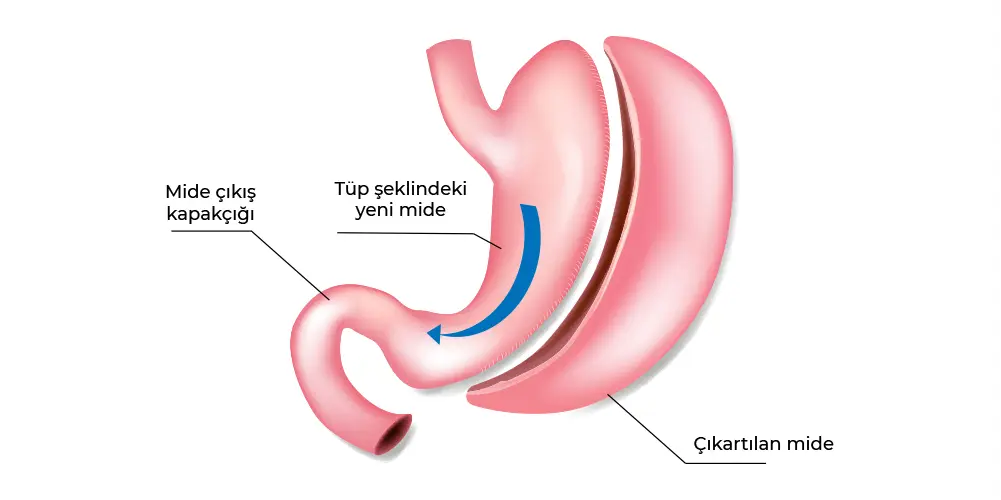
Gastric sleeve surgery, also known as sleeve gastrectomy, is a bariatric procedure in which a large part of the stomach is surgically removed. The remaining stomach becomes a narrower, tube-shaped structure. Reduced stomach capacity can help you feel full with smaller portions. The procedure is irreversible.
Your treatment plan is developed by assessing your health, your needs and your ability to follow the postoperative care programme.
Who is gastric sleeve surgery suitable for?
The decision to operate is not based on weight alone. Body mass index, obesity-related health problems, previous treatments and overall health are considered together. Suitability for surgery and the choice of procedure require a medical assessment.
During your consultation, you can discuss:
- Your previous attempts to lose weight and the treatments you have received.
- Your existing conditions and the medications you take.
- Your eating habits and daily life.
- Your expectations of surgery and your long-term follow-up needs.
How is gastric sleeve surgery performed?
Gastric sleeve surgery is usually performed under general anaesthesia using a laparoscopic approach through small incisions. A large part of the stomach is removed; the intestines are not rerouted. The surgical approach is determined according to your individual health.
During the preoperative consultation, you can learn about preparation, potential risks and the follow-up plan.
Preoperative assessment
Preparing for surgery also involves preparing for life after the procedure. Assessments by the surgeon, dietitian and any other specialists needed determine the tests, nutritional preparation and follow-up requirements.
Bringing your existing test results and a list of your medications to your appointment may help with the assessment.
Nutrition and follow-up after gastric sleeve surgery
Eating is resumed in stages after surgery. The transition from liquids to soft foods and then solid foods follows the plan set by your treatment team. Portion management, adequate fluid intake, vitamin and mineral supplements, and regular check-ups are all part of this process.
You should follow your own doctor's recommendations when implementing your recovery and return-to-daily-life plan.
What are the risks of gastric sleeve surgery?
Gastric sleeve surgery is a surgical procedure that carries risks. Bleeding, infection, leakage from the stomach staple line and blood clots can occur. Some complications may require further intervention and, rarely, may be life-threatening.
Reflux and vitamin and mineral deficiencies also need to be considered. Your doctor should explain your individual risks before surgery.
Gastric sleeve surgery costs
When asking about the cost of gastric sleeve surgery, you can check whether preoperative tests, the hospital stay and postoperative check-ups are included.
Contact Dr. Ali Tardu for information about the assessment process and what the fees cover.
Frequently asked questions about gastric sleeve surgery
How much weight can I lose with gastric sleeve surgery?
Weight loss varies from person to person. Starting weight, the procedure used and lifestyle habits influence the outcome. A specific amount of weight loss cannot be guaranteed.
Can I regain weight after gastric sleeve surgery?
Yes, weight regain can occur over time. Eating habits, physical activity and regular follow-up are important for long-term weight management.
When can I return to normal eating after surgery?
Solid foods are introduced gradually. Your surgeon and dietitian determine when to progress and which foods you can eat.
Will I need to take vitamins?
Vitamin and mineral supplements may be needed after surgery. Your treatment team should determine which supplements to use and for how long.
Can people with reflux have gastric sleeve surgery?
Reflux may develop after gastric sleeve surgery, or existing reflux may worsen. You should therefore tell your doctor about reflux symptoms during your assessment; the procedure is chosen according to your individual circumstances.
Can gastric sleeve surgery be reversed?
No. Gastric sleeve surgery is irreversible because part of the stomach is permanently removed.
What is the difference between gastric sleeve and gastric bypass?
Gastric sleeve surgery reduces the stomach's size without rerouting the intestines. Gastric bypass creates a small stomach pouch and rearranges the connection to the small intestine. The appropriate procedure is determined through a medical assessment.
How can I book a gastric sleeve assessment in Thrace?
You can request an appointment through Dr. Ali Tardu's contact channels and obtain information about the consultation location and how to prepare.
Does booking an appointment mean deciding to have surgery?
No. The first consultation aims to assess your health, discuss treatment options and answer your questions.
This page provides general information. Diagnosis and treatment decisions are based on an individual medical assessment.